Weeding and Border Clearing: How to Tackle Neglected Beds Before Winter Sets In
Weeding and borders in Newark-on-Trent done properly. FitBoys Gardening clears, edges and mulches beds across Newark and Nottinghamshire villages.

Weeds Don't Take Days Off, and Neither Do We
A garden bed can look tidy one week and completely overrun the next. That is not an exaggeration. In the right conditions, bindweed, ground elder and couch grass can travel metres in a matter of weeks. By the time most people notice the problem, the roots have gone deep, the border plants are being strangled, and what looked like a quick half-hour job has turned into a full afternoon of hard graft.
We cover Newark-on-Trent, Nottinghamshire and the surrounding villages, and weeding and border care is one of the most requested jobs we take on. Not because people are lazy. Because life gets in the way. Work, family, health. The garden slips down the list, and nature fills the gap fast.
This article explains what proper border care actually involves, when to tackle it, and why getting it right now saves you a much bigger headache later.
What "Weeding and Borders" Actually Means in Practice
It is more than pulling a few dandelions. Done properly, border care is a systematic job with several distinct stages.
1. Clearing the existing growth
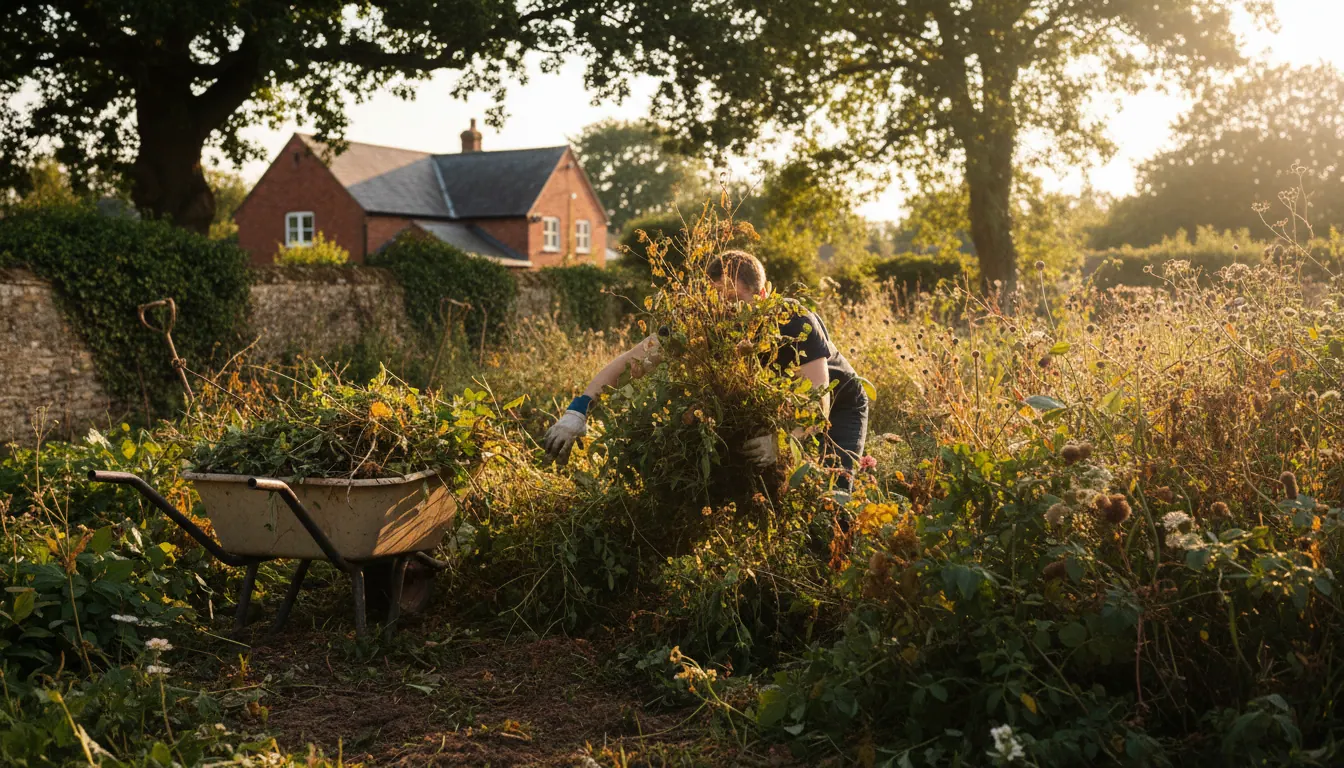
Before anything else, we assess what is weed and what is plant. This matters more than people realise. Overgrown borders often have desirable perennials buried under layers of invasive growth. We clear carefully, not brutally.
2. Root removal
Surface weeding is a short-term fix. The real work is getting the roots out. Bindweed in particular needs to be followed down through the soil. Leave any root fragment behind and it regrows. We work methodically, fork and hand, not just a quick rake-over.
3. Edging
A clean, sharp edge between lawn and border transforms how a garden looks. It takes a trained eye and a steady hand. We cut edges with a half-moon or spade, creating a crisp line that frames the whole bed.
4. Mulching
Once the border is clear and edged, a layer of mulch (bark, compost or well-rotted organic material depending on what suits the planting) does two jobs at once. It suppresses future weed germination by blocking light at soil level, and it retains moisture around the roots of your border plants. A well-mulched border needs far less weeding through the season.
5. Ongoing maintenance
A one-off clearance is a great reset. But borders need regular attention to stay that way. That is why many of our customers in Newark and the surrounding villages book us on a regular maintenance slot, weekly, fortnightly or monthly, depending on the size of the garden and how fast things grow.
The Weeds We Deal With Most Around Newark
Nottinghamshire's soil varies across the area. Clay-heavy ground around the Trent valley holds moisture and can be a breeding ground for some particularly stubborn weeds. Here are the ones we encounter most:
- Bindweed. The white-flowered climber that wraps itself around everything. Roots go down half a metre or more. Persistent.
- Ground elder. Spreads by underground rhizome. Common in older, established gardens. Needs repeated removal over a season.
- Couch grass. Creeps in from lawn edges and hedgerow bases. The white roots snap easily and every fragment regrows.
- Creeping buttercup. Spreads by runners across damp ground. Looks harmless, takes over fast.
- Nettles. Deep yellow roots. Satisfying to pull, but only if you get the whole root.
- Hairy bittercress. Small, seeds explosively when disturbed. A nuisance in newly mulched beds.
None of these are impossible to deal with. They just need time, the right technique and consistency.
What Our Customers Say
Julia Bradshaw left us this review after we cleared her borders and got her set up on a regular booking:
"Couldn't recommend more highly. Super job done, clearing boarders out and cutting back. Polite, tidy and couldn't believe how quickly Charlie got the job done! Booked on a regular basis now as very pleased."
That last line is the one that matters most to us. A one-off clearance is satisfying, but a customer who books regularly is a customer whose garden actually stays in good shape. That is the goal. Not a quick fix, but a garden that is properly maintained through the year.
When to Tackle Borders: A Seasonal Breakdown
There is no single "best time" to weed. Weeds grow across all four seasons. But the type of work shifts through the year.
Spring (March to May)
The most critical window. Annual weeds germinate fast as soil warms. Get in early and you prevent thousands of seeds from setting. This is also when perennial weeds like ground elder push hard. A thorough spring clearance followed by mulching sets the whole season up well.
Summer (June to August)
Growth is fast. Borders need regular attention to stop weeds from flowering and seeding. Edging becomes more frequent as grass creeps outward. Dry spells slow things down but do not stop them.
Autumn (September to November)
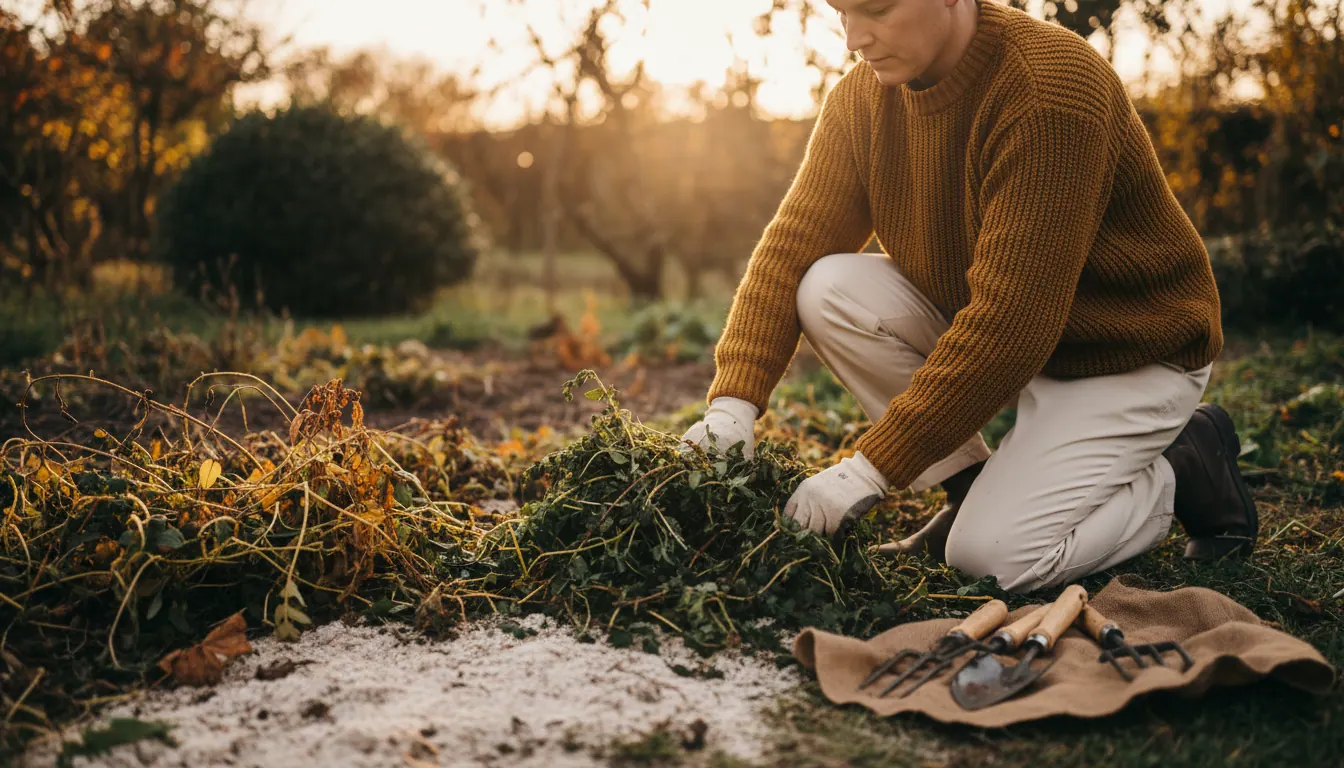
Often underestimated. Weeds are still active until the first hard frosts. Autumn is also the ideal time to cut back dying perennial stems, clear annuals that have finished, and apply a fresh layer of mulch before winter. A tidy border going into winter means far less work come spring.
Winter (December to February)
Quieter but not dead. Chickweed and hairy bittercress can still establish in mild spells. Clearing beds on dry days and removing debris prevents slug and snail habitat from building up around your plants.
If you are thinking about getting your garden ready for the colder months, our article on lawn care after a dry summer in Nottinghamshire covers some of the same principles of seasonal reset that apply to borders too.
Weeding and Borders as Part of a Regular Maintenance Plan
The most efficient way to keep borders in good shape is not a yearly blitz. It is consistent, regular attention.
Think of it the same way you would a training plan. One big session after months of inactivity leaves you sore and behind. Regular sessions, week after week, keep everything moving in the right direction.
We offer regular garden maintenance slots across Newark-on-Trent and the surrounding Nottinghamshire villages. A typical visit might include:
- Checking and clearing borders of new weed growth
- Cutting lawn edges where they have crept over
- Deadheading and light trimming of border plants
- Removing any fallen debris or leaf accumulation
- Topping up mulch as needed through the season
Many of our customers are busy working households who simply do not have time to keep on top of it themselves. Others are older residents who managed the garden for years but find the bending and kneeling increasingly difficult. We also take on gardens at properties that have been left for a while, including overgrown plots where new owners have moved in and need a proper reset before maintenance can begin. If that sounds familiar, our article on garden clearance after moving house explains how that process works.
All garden waste is taken away as part of the job. You do not need to worry about filling your bins or making trips to the tip.
Why Proper Border Care Protects Your Plants
Weeds are not just an eyesore. They compete directly with your border plants for water, nutrients and light. In a dry spell, that competition is especially damaging. A rose or a hydrangea that is fighting couch grass for moisture will always come off worse.
A well-maintained border with clean edges and a mulch layer gives your plants the best possible chance. It reduces the stress on them, keeps the soil structure healthier, and means you get more from the plants you have already invested in.
Frequently Asked Questions
How often does a garden border in Newark need weeding?
It depends on the size of the border, the soil type and what weeds are present. As a general guide, most borders benefit from attention at least once a fortnight through spring and summer, and monthly in autumn and winter. If you have heavy clay soil or a history of ground elder or bindweed, more frequent visits make a real difference.
Can you clear a border that has been completely neglected for years?
Yes. We take on heavily overgrown plots regularly across Newark and the surrounding villages. The first visit is always the most intensive, removing deep-rooted perennial weeds and cutting back years of accumulated growth. After that, regular maintenance keeps it manageable.
Do you remove all the garden waste after weeding?
Always. We take everything away as part of the job. You do not need to arrange separate disposal.
Is mulching worth doing after a border clearance?
Absolutely. A proper mulch layer after clearing is one of the most effective things you can do to reduce future weeding. It blocks light at soil level, which stops weed seeds from germinating, and it improves moisture retention around your border plants. We apply mulch as part of the clearance or as a standalone job.
Ready to Get Your Borders Back in Shape?
If your borders have got ahead of you, or you want to set up a regular maintenance plan for your garden in Newark-on-Trent or the surrounding Nottinghamshire villages, we are ready to help. Hard graft, no fuss, all waste taken away, and a garden that stays in peak condition through the year.
Call us on 07704 442169 to book or to have a chat about what your garden needs.